What to Expect After a Dental Crown Is Placed
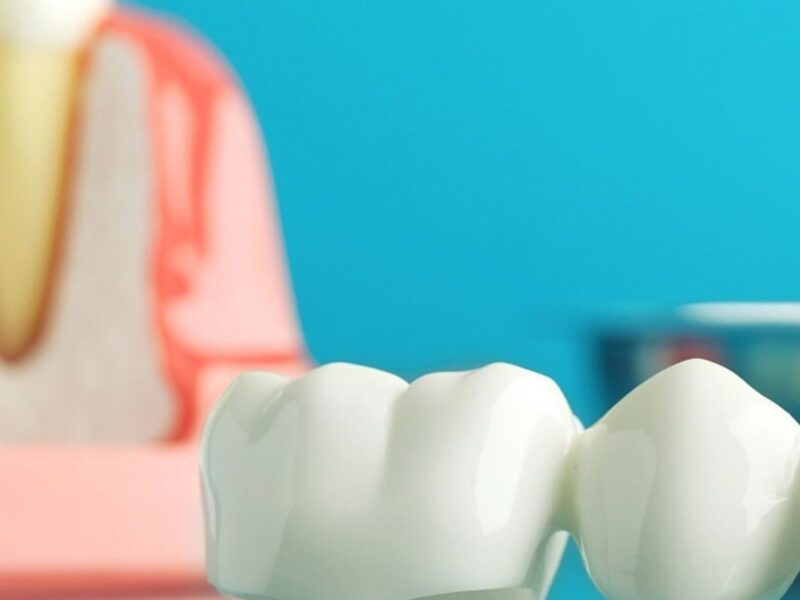
A new crown often feels like the finish line. The tooth is repaired, the appointment is over, and the hard part seems done. Most of the time, that is true. Still, the first few hours, days, and weeks after placement matter more than people expect. A dental crown is strong, but it sits on a living tooth surrounded by gum tissue, bone, ligaments, and a bite that has to work in balance. When any one of those pieces is slightly off, the crown can feel strange, irritating, or hard to trust at first.
The good news is that most post-crown symptoms are mild and temporary. A little soreness at the gumline, sensitivity to temperature, or a sense that the tooth feels "different" is common. That does not automatically mean something is wrong. On the other hand, there are a few warning signs that deserve prompt attention, especially if your bite feels high, the tooth throbs, or the crown feels loose.
Patients usually do best when they know what is normal, what deserves patience, and what should trigger a phone call. That is where expectations help. A crown is not just a cap glued onto a tooth. It is a carefully shaped restoration designed to protect a damaged tooth while letting you chew, speak, and clean normally. Your mouth needs a little time to accept it.
The first few hours after the appointment
What you feel right away depends partly on how the crown was placed. If you had a final crown cemented over a tooth that already had a root canal, the tooth may feel surprisingly uneventful. If the tooth still has a healthy nerve inside, or if the dentist had to adjust the gum tissue or remove an old crown, you are more likely to notice tenderness once the anesthetic wears off.
Numbness can last a couple of hours, sometimes longer if the injection was deeper or stronger. During that time, it is easy to bite your cheek or tongue without realizing it. Adults do this too, not just children. I have seen more than one patient come back convinced the crown caused a sore spot, when the real issue was a self-inflicted bite while still numb.
If the crown was bonded or cemented in place, your dentist likely checked your bite before you left. Even so, a bite that feels fine in the chair can feel different later when you are no longer numb and your jaw is moving naturally. That is one reason many people describe the crown as "tall" the first evening, then either forget about it by the next day or realize it truly needs a small adjustment.
It is also common to have minor pressure in the jaw from holding your mouth open. This tends to show up more in people who clench, have TMJ symptoms, or needed a long visit. The discomfort can feel like it comes from the crowned tooth when it is really muscular.
Sensitivity is common, but it should improve
One of the most frequent concerns after a crown is sensitivity to cold air, cold drinks, sweets, or biting pressure. In many cases, this settles over days to a few weeks. The tooth has been drilled, shaped, rinsed, dried, tested, and then sealed under a restoration. Even when everything goes smoothly, the nerve can be a little irritated.
Cold sensitivity is more common than heat sensitivity. A quick zing that fades fast is usually less worrisome than lingering pain. If you sip cold water and feel a sharp response that disappears within a second or two, that may simply be post-treatment sensitivity. If the pain hangs on for 20 or 30 seconds, wakes you at night, or becomes spontaneous, the nerve may be more inflamed than expected.
Biting sensitivity can come from several different things. Sometimes the tooth ligament is bruised from the bite being slightly high. Sometimes the tooth was already cracked or inflamed before the crown, and the crown solved the structural problem but not all the symptoms right away. Sometimes a tooth that seemed healthy enough to keep its nerve ends up needing root canal treatment after crown placement. That is not the usual outcome, but it does happen, especially on teeth that had large old fillings, deep decay, or repeated dental work over the years.
This is the part patients often find frustrating. They hear that the crown itself looks excellent, yet the tooth still hurts. Both can be true. A beautiful crown does not guarantee a quiet nerve. Teeth do not always follow a perfect script.
Your bite may need a minor adjustment
If there is one issue worth taking seriously early, it is a crown that feels high when you bite down. Even a tiny discrepancy can make a big difference because your bite senses contact with remarkable precision. A crown that hits first can create pain when chewing, tenderness when tapping the tooth, jaw fatigue, or a vague sense that you keep avoiding one side of your mouth.
This is usually easy to fix. A quick adjustment appointment may take only a few minutes. Dentists use articulating paper to find the heavy spot, polish the surface, and have you bite again until the contact feels even. Patients sometimes delay calling because they assume they should "get used to it." Sometimes that happens. Often, though, a truly high crown keeps irritating the tooth and surrounding ligament. Waiting can turn a simple correction into several days of unnecessary soreness.
A useful rule is this: if the tooth feels like it touches before the others, or if chewing on that side makes you wince, let the office know. A small bite adjustment is routine, not an inconvenience.
The gum around the crown may be tender
The gum tissue around a newly placed crown often looks slightly angry for a short time. That does not automatically mean the crown is poorly made. The area may have been retracted with cord, rinsed repeatedly, or shaped to allow a better fit at the edge. If a temporary crown was on the tooth for a while, the gum may also be reacting to that transition.
Most gum tenderness improves with gentle brushing, careful flossing, and time. Some people avoid the area because they fear dislodging the crown, but that usually backfires. Plaque buildup around the margin causes more soreness and can make the crown feel like the problem when the real issue is irritated tissue.
A healthy crown should not prevent normal cleaning. In fact, one of the quiet signs of good crown work is that, after the initial tenderness passes, the floss should slide through with resistance that feels normal, not shred, snap, or get trapped. If floss catches under the contact or tears repeatedly at the edge of the crown, that is worth mentioning at your next visit, or sooner if the gum becomes inflamed.
Eating after the crown is placed
How quickly you can return to normal eating depends on the material used, the cement, and how sore the tooth feels. Many modern crowns, especially ceramic crowns, are strong enough for normal function once bonded or cemented properly. Still, your mouth may not feel ready for a steak dinner that same evening.
For the first day, I usually tell patients to let comfort guide them. Chew on the other side if needed. Avoid testing the crown with sticky candy or hard nuts just to see if it can handle them. It probably can, eventually, but there is no prize for proving it in the first 12 hours.
If you want a simple approach for the first day, this works well:
- Wait until the numbness is gone before eating anything that requires real chewing.
- Choose softer foods at first, especially if the tooth is tender or the gum is sore.
- Skip very sticky foods that could tug at a newly cemented crown.
- Avoid chewing ice, hard candy, or popcorn kernels on that side.
- Return to a normal diet as comfort allows, usually within a day or two.
Patients sometimes assume a crown makes a tooth invincible. It does not. Dental crowns restore strength, but they do not make teeth immune to bad habits. Ice chewing, pen biting, or using your teeth as tools can still chip porcelain or stress the tooth underneath.
Temporary versus permanent crowns feel different
Some confusion comes from mixing up the experience of a temporary crown with that of the final one. Temporary crowns are useful, but they are not meant to feel perfect. They are often made from acrylic-like materials, seated with weaker temporary cement, and shaped more for short-term protection than long-term precision. It is common for them to feel bulkier, rougher, or less secure.
The permanent crown should feel more polished and more stable. It may still feel unfamiliar because it is replacing a broken shape you got used to, or because your tongue notices any change in contour with almost comic persistence. The tongue is an excellent quality inspector. It will find a ridge, edge, or texture your mirror never shows you. Usually that hyper-awareness fades within several days.
If the permanent crown feels dramatically worse than the temporary, especially when biting, call the office. That difference can provide a clue that the fit or bite needs to be checked.
How long it takes for a crown to feel normal
The answer varies, but most patients settle in within a few days to two weeks. Some adapt by the next morning. Others, especially those with clenching habits or sensitive teeth, need longer. Front teeth can take more getting used to than back teeth because you notice them when speaking, smiling, and moving your lips. Crowns that change the shape of your bite, even for the better, may feel odd at first simply because your muscles have to stop compensating for the old problem.
If someone tells me, "It does not hurt, it just feels different," I usually reassure them and ask for a little time. If they tell me, "I cannot chew on it," or "Cold pain is getting worse every day," that lands in a different category.
There is no virtue in suffering through a crown that clearly feels wrong. Dentists expect post-placement follow-up questions. That is part of the job.
When to call the dentist
Most aftereffects are minor. A few are not. The trick is knowing the difference.
Reach out promptly if you notice any of the following:
- The crown feels loose, rocks, or comes off completely.
- Your bite feels obviously high or chewing causes a sharp, repeatable pain.
- Sensitivity becomes stronger after several days instead of steadily improving.
- Heat triggers lingering pain, or the tooth throbs on its own.
- The gum swells, bleeds heavily, or you develop a bad taste or odor around the tooth.
A crown that comes off is not always an emergency in the middle of the night, but it should be addressed quickly. Keep the crown if you can find it, avoid chewing on that tooth, and call the office. Sometimes it can be recemented. Sometimes the underlying tooth or crown needs to be remade. The sooner it is assessed, the better the odds of a simple fix.
If the tooth had a root canal, the recovery is often easier
Crowns placed on root canal treated teeth usually create fewer temperature complaints because the nerve is no longer alive. That said, the surrounding ligament and gums can still be sore, and the bite can still be off. A root canal tooth is not a sensation-free object embedded in the jaw. It still sits in living tissue and still responds to pressure.
These teeth also deserve some respect long term. They are often more brittle than untouched teeth because so much internal structure has been lost to decay, old fillings, or access for the root canal. That is one reason a crown is commonly recommended in the first place. The crown helps protect what remains.
Clenching and grinding can complicate the adjustment period
Patients who grind or clench often have a rockier start with new crowns. They may wake with soreness that seems to move around, feel convinced the crown is wrong even after it is adjusted, or chip temporary crowns before the permanent one is placed. The problem is not always the crown itself. Sometimes it is the force being placed on it, especially overnight.
If you have a history of flattening teeth, fracturing fillings, or waking with jaw tightness, mention that if it has not already come up. In some cases, a night guard is part of protecting the new crown, especially if it is porcelain and sits in a heavy bite. This matters not just for the crown but for the opposing teeth as well.
There is also a psychological side to this. People who clench tend to "check" new dental work with their teeth and tongue constantly. They tap, slide, and compare. The more they test it, the more sensitive it becomes. That does not mean the sensation is imaginary. It means habit can amplify small irritations. Sometimes the crown needs a tweak. Sometimes the bigger fix is reducing how often the area is being Dental Crowns mechanically stressed.
What proper care looks like at home
Once the crown has settled in, care is usually straightforward. Brush as you normally would, paying attention to the gumline where the crown meets the tooth. Floss daily, not aggressively, but thoroughly. If the area was tender after placement, a warm saltwater rinse can be soothing for a day or two.
A crown itself cannot decay, but the tooth structure at the margin can. That is a point patients often miss. Dental crowns fail less often because the cap wears out than because the tooth underneath develops recurrent decay, the cement seal is compromised, or the gum and bone around it are not kept healthy.
Think of a crown as armor with a seam. The seam is where your cleaning matters most.
What your dentist is looking for at the follow-up, even if no formal visit is scheduled
Not every crown requires a dedicated follow-up appointment, but every successful one meets a few basic tests. The bite should feel even and stable. The contact with the neighboring tooth should be snug enough that food does not pack easily, but not so tight that floss shreds. The margin should be smooth and cleanable. The gum should calm down, not grow more inflamed. The tooth should become more comfortable, not less.
Patients sometimes assume that if the crown is still in place, it must be fine. Retention is only one part of success. Comfort, function, cleanability, and tissue response matter just as much.
A good practical example is food trapping. If meat or fibrous food starts wedging around a new crown every time you eat, that may point to an open contact with the neighboring tooth. The crown may feel smooth and secure, yet still create a daily nuisance that leads to gum inflammation. That is worth correcting because it rarely improves on its own.
The longer view
Most modern crowns do very well, especially when the tooth is sound, the bite is balanced, and home care is steady. Many last well over a decade, and some last much longer. Longevity depends on the starting condition of the tooth, the material selected, the skill of the prep and fit, your bite forces, and whether decay or gum disease returns around the area.
The period right after placement is a short chapter in the life of the crown, but it sets the tone. A crown that feels natural, cleans well, and lets you chew without guarding it tends to disappear into daily life. That is the ideal result. You stop thinking about it.
When a crown remains noticeable, there is usually a reason, and that reason is often fixable. It might be as simple as a bite adjustment, a polish on a rough edge, or reassurance that mild sensitivity is still within the normal window. Less commonly, it reveals a deeper issue with the tooth itself.
The best expectation after a dental crown is not perfection by the minute you leave the office. It is steady improvement, comfortable function, and a tooth that grows easier to trust with each passing day. If that is what you are seeing, you are almost certainly on the right track. If the opposite is happening, do not wait and wonder. Let your dentist take another look. That small step often makes the difference between tolerating a crown and forgetting it is even there.
Simple Dental South Gate
Address: 8617 California Ave, South Gate, CA 90280
Phone number: +13236896118
FAQ About Dental Crowns
How much do crowns cost per tooth?
In the United States, a single dental crown typically costs between $800 and $2,500 per tooth without insurance. The ultimate out-of-pocket price depends heavily on the crown material, the location of the tooth, and whether you have dental insurance coverage.
What is the downside of crowns on teeth?
The primary downside of a dental crown is that the procedure permanently removes natural tooth enamel to shape the tooth for the cap.
Why do dentists push for crowns?
Dentists recommend crowns because a large filling cannot provide enough strength when a tooth loses a major portion of its structure or faces heavy chewing pressure.